

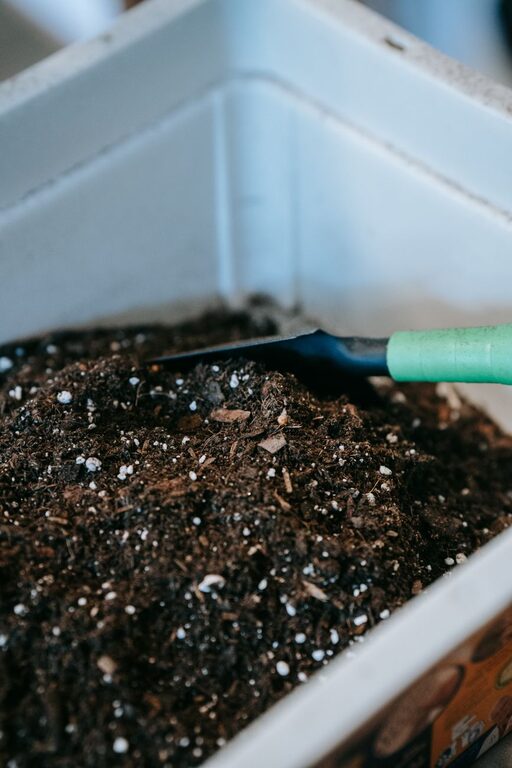
Composting at home is a practical way to reduce waste, enrich your garden soil, and contribute to a healthier environment. If you’re new to composting, the process might seem a bit daunting at first, but with some basic tips and a bit of patience, you can easily get started. This guide will walk you through everything you need to know to begin composting successfully in your own backyard or even indoors.
What Is Composting and Why Is It Important?
Composting is the natural process of recycling organic materials, like food scraps and yard waste, into a rich soil amendment called compost. This nutrient-packed material helps plants grow stronger and healthier by improving soil structure, moisture retention, and nutrient content.
By composting at home, you reduce the amount of garbage sent to landfills, lower methane emissions, and create a sustainable cycle of growth in your garden.
Getting Started: Choosing a Composting Method
There are several ways to compost, depending on the space you have and your lifestyle:
Outdoor Compost Bins
Ideal for gardeners with a backyard. These are usually enclosed bins or piles that allow for aeration and moisture control. They keep pests away and can handle larger amounts of material.
Indoor Composting (Vermicomposting)
Using a worm bin indoors is great for apartment dwellers or those without outdoor space. Red wiggler worms break down food scraps quickly, turning them into worm castings — a highly nutritious fertilizer.
Tumbler Composters
These are rotating bins that make mixing and aerating compost easier, speeding up decomposition. They are convenient for beginners who want a tidy and manageable setup.
What to Compost: The Basics of Green and Brown Materials
Successful composting depends on balancing two main types of materials:
– Green materials: These are nitrogen-rich and include kitchen scraps like fruit and vegetable peelings, coffee grounds, and fresh grass clippings.
– Brown materials: These provide carbon and include dry leaves, cardboard, paper, straw, and small branches.
A good rule of thumb is to aim for roughly a 2:1 or 3:1 ratio of browns to greens. This ratio keeps your compost healthy, odor-free, and efficient.
Step-by-Step Guide to Starting Your Compost Pile
Here’s an easy way to get your compost going:
- **Choose a dry, shady spot** near a water source for your compost pile or bin.
- **Start with a layer of coarse browns** like twigs or straw to help aerate the pile.
- **Alternate layers** of green and brown materials as you add scraps.
- **Keep the pile moist** — it should feel like a damp sponge, not soggy.
- **Turn or mix the pile** every week or two to add oxygen, which speeds up decomposition.
- **Be patient!** Depending on conditions, compost can take anywhere from a few months to a year to fully mature.
What Not to Compost: Avoid These Common Items
To keep your compost safe and healthy, avoid these materials:
– Meat, fish, dairy, and oily foods (they attract pests)
– Diseased plants or weeds with seeds
– Pet waste (can carry harmful pathogens)
– Treated wood or synthetic materials
– Large amounts of citrus or onion scraps (can slow composting)
Tips to Troubleshoot Common Composting Problems
– Bad odors: Usually caused by too many greens or lack of air. Add more browns and turn the pile.
– Pile too dry: Add water or green scraps to keep moisture levels balanced.
– Slow decomposition: Chop materials into smaller pieces and ensure you’re turning the pile regularly.
– Pests: Make sure no meat or oily foods are included, turn pile often, and consider using a closed bin.
Using Your Finished Compost
Finished compost looks dark, crumbly, and smells earthy. You can use it to:
– Mix into garden beds to improve soil structure.
– Top dress lawns for nutrition.
– Pot plants with a soil-compost mix.
– Mulch around shrubs and trees to retain moisture.
Final Thoughts: Composting Is a Rewarding Habit
Starting a compost bin at home is simple and rewarding. It reduces waste, nurtures your plants, and helps the planet — all with minimal effort. Remember, composting is a natural process, so don’t stress about perfection. Experiment with your materials, observe your pile, and adjust as needed. Soon, you’ll be enjoying the benefits of healthy, homemade compost in your garden!
Happy composting!