

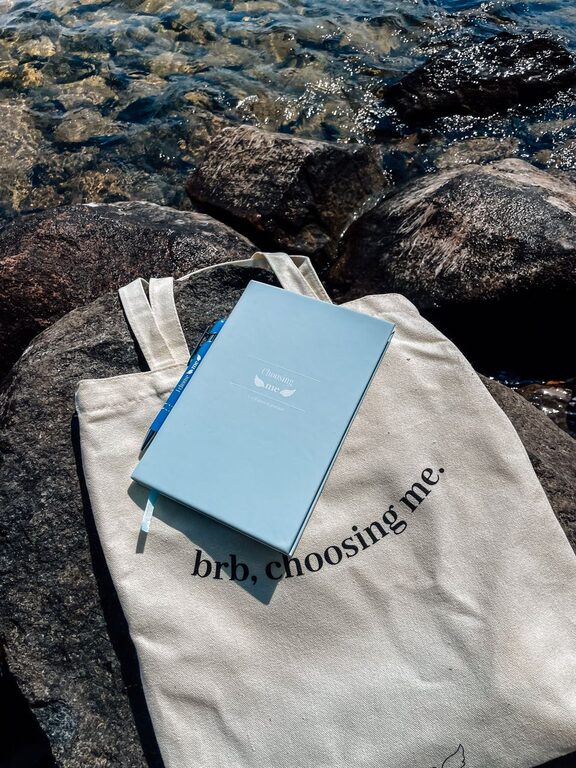
Choosing a notebook might seem like a simple task, but finding one you’ll actually use regularly can be surprisingly tricky. With so many options available—from different sizes and layouts to paper quality and cover designs—it’s easy to end up with a notebook that sits unused on a shelf. This guide will help you navigate the key factors to consider so you can pick a notebook that fits your lifestyle, preferences, and goals.
Why Choosing the Right Notebook Matters
A notebook is more than just a stack of pages. It’s a tool that can help you organize thoughts, plan your day, capture creative ideas, or even manage work projects. When you select a notebook that feels right, you’re more likely to use it consistently, turning it into a valuable companion rather than just another unused item.
Consider Your Purpose
Before you dive into the world of notebooks, it’s important to understand why you want one in the first place. Different notebooks serve different roles:
– Daily journaling or diary: You may want a notebook with plenty of pages and a comfortable size for writing at length.
– Work notes or meetings: A professional-looking, portable notebook with a structured layout might be best.
– Creative sketching or doodling: Look for thick paper that can handle pens, markers, or light watercolors.
– Planning and to-do lists: A notebook with sections, grids, or bullet journal-friendly pages can help you stay organized.
Knowing your primary use will guide your decisions regarding size, paper type, and layout.
Size and Portability
Notebooks come in a variety of sizes, and choosing one depends on where and how you plan to use it.
– Pocket-sized (A6 or smaller): Great for quick notes on the go but can be cramped for longer writing.
– Medium size (A5): A popular choice that balances portability with ample writing space.
– Large size (A4 or letter): Ideal for detailed notes, sketches, or if you don’t need to carry it around often.
Think about whether you’ll be carrying your notebook in a bag, leaving it on your desk, or keeping it by your bedside.
Paper Quality and Type
The feel of paper can greatly affect your writing experience. Here are some key points:
– Weight and thickness: Heavier paper (measured in gsm) reduces ink bleed-through and makes writing smoother.
– Texture: Smooth paper is quick to write on, while textured paper may enhance the experience for pencil or fountain pen users.
– Color: White or cream pages are common; cream tends to be easier on the eyes.
– Rules or grids: Choose between lined, dotted, grid, or blank pages based on your writing and drawing preferences.
If you use ink-heavy pens or markers, look for notebooks with thicker paper to prevent smudging.
Binding and Durability
How a notebook is bound affects its durability and usability.
– Spiral-bound: Allows the notebook to lie flat and fold back easily, but spirals might get bent or catch on things.
– Perfect-bound: Like a book; sleek and sturdy, but may not lay flat when open.
– Thread-sewn: High-quality and durable, with a book-like feel; often lies flat.
– Hardcover vs. Softcover: Hardcover notebooks protect pages better and last longer, while softcover notebooks are lighter and more flexible.
Consider how rugged your environment is and how often you’ll carry your notebook around.
Additional Features to Look For
Some notebooks offer extras that can make them more convenient or enjoyable to use:
– Ribbon bookmarks: Help you quickly find your place.
– Elastic closures: Keep your notebook securely closed in a bag.
– Pen loops or holders: Ensure you always have a writing tool handy.
– Expandable pockets: Perfect for storing notes, receipts, or stickers.
– Numbered pages or index: Useful for bullet journals and organized note-taking.
Evaluate which features align with your needs without overcomplicating your choice.
Style and Personal Preference
While functionality is key, aesthetics also matter. A notebook you find visually appealing will inspire you to use it more often.
– Cover design: From minimalist solid colors to artistic prints, pick something that makes you happy.
– Material: Leather, faux leather, fabric, or cardboard covers offer different looks and feels.
– Brand reputation: Some brands specialize in quality paper and craftsmanship; it can be worth trying a few.
Remember, your notebook is a personal item—choose one that reflects your style and motivates you.
Test Before Buying
If possible, check out notebooks in stores to get a feel for the paper, weight, and size. Writing a few lines with your preferred pen can reveal if the paper suits your style and tools. If you shop online, look for reviews that mention paper quality, binding, and durability.
Tips for Making Sure You Use Your Notebook
Selecting the right notebook is just the first step. These tips can help you keep the habit going:
– Keep it visible: Place your notebook somewhere you’ll see it often.
– Set a routine: Dedicate a few minutes daily or weekly to write or plan.
– Personalize it: Use stickers, colored pens, or drawings to make it fun.
– Don’t stress about perfection: Use the notebook as a tool, not a task.
– Carry it consistently: Having your notebook with you increases the chance you’ll use it.
Conclusion
Choosing a notebook you’ll actually use means balancing your practical needs with personal preferences. By thinking about your goals, size, paper quality, binding, and style, you can find a notebook that feels like a perfect fit. Once you select the right one, cultivating a simple habit of writing consistently will turn your notebook from an unused item into an invaluable daily companion. Happy writing!