

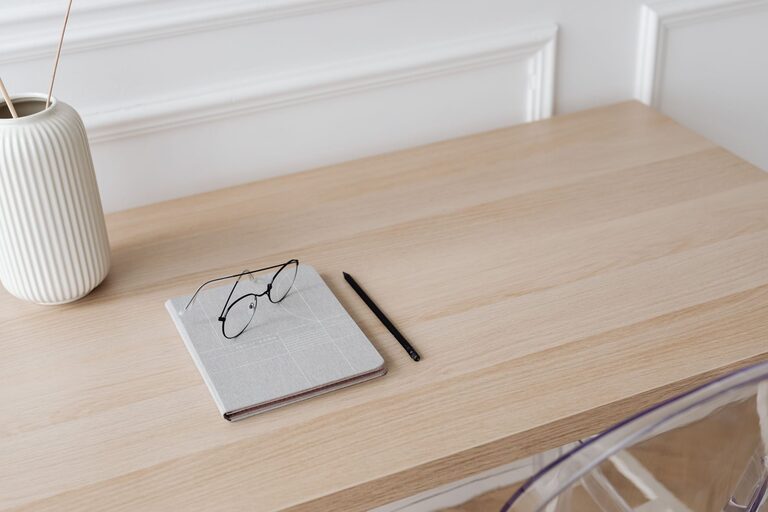
Creating a relaxing home workspace is essential for anyone working or studying from home. A peaceful environment helps improve focus, reduce stress, and maintain a healthy work-life balance. Whether you have a dedicated room or a small corner, you can transform it into a calm and inspiring area. In this post, we’ll explore practical steps to design a relaxing home workspace that supports your productivity and well-being.
Why a Relaxing Workspace Matters
A cluttered, noisy, or uncomfortable workspace can negatively affect your concentration and mood. On the other hand, a well-organized and soothing space invites you to stay focused and motivated. When the environment feels relaxing, it’s easier to reduce distractions and separate work from personal life, an important factor when working from home.
Step 1: Choose the Right Location
Start by selecting the best spot in your home for your workspace. Here are some tips:
– Natural light: Pick a place with plenty of natural light to boost your mood and energy.
– Low traffic area: Avoid spaces with heavy foot traffic or frequent noise.
– Away from distractions: Keep the workspace separate from entertainment or high-activity zones if possible.
If space is limited, even a small nook near a window can be made comfortable.
Step 2: Invest in Comfortable Furniture
Comfort is key for long hours of work:
– Ergonomic chair: Choose a chair that supports your back and encourages good posture.
– Desk height: Make sure the desk height suits your body to prevent strain.
– Adjustable setups: Consider a sit-stand desk for flexibility throughout the day.
Comfortable furniture keeps you focused and prevents physical discomfort.
Step 3: Create a Calm Color Palette
Colors influence mood. Use soft, soothing colors to create a relaxing atmosphere:
– Neutral tones: Whites, beiges, and soft grays work well.
– Soft blues or greens: These colors promote calmness and focus.
– Limit bright colors: Use any bright or bold colors sparingly as accents.
Painting the walls or adding accessories in these calm colors can create a peaceful vibe.
Step 4: Declutter and Organize
A tidy space helps clear your mind:
– Minimal items on desk: Keep only essentials on your workspace.
– Storage: Use shelves, drawers, or boxes to store supplies out of sight.
– Cable management: Use clips or ties to keep cords neat.
Regularly cleaning and organizing your workspace reduces distractions and creates a sense of order.
Step 5: Add Nature Elements
Bringing nature indoors can reduce stress and improve air quality:
– Plants: Add potted plants such as succulents, spider plants, or peace lilies.
– Natural materials: Use wooden desk accessories or woven baskets.
– Natural light: As mentioned, maximize daylight.
Plants add life and softness to your workspace, making it more inviting.
Step 6: Use Soft Lighting
Lighting significantly affects comfort:
– Avoid harsh overhead lights: Use desk lamps with adjustable brightness.
– Warm light bulbs: Choose bulbs that emit warm, soft light rather than harsh white light.
– Task lighting: Direct light where you need it for reading or screen work.
Good lighting reduces eye strain and helps maintain a calming ambiance.
Step 7: Personalize Your Space Thoughtfully
Add personality without cluttering:
– Inspiring art or quotes: Hang simple artworks or motivational prints.
– Photos: Personal photos in clean frames can boost your mood.
– Scent: Use a subtle diffuser or scented candle for a pleasant aroma.
Personal touches make the space feel welcoming and uniquely yours.
Step 8: Incorporate Relaxation Breaks
A relaxing workspace isn’t just about design—it’s about how you use it:
– Break area: If possible, include a comfortable chair or cushion to step away from work.
– Mindfulness tools: Consider a small timer or apps to remind you to pause.
– Music or sounds: Background white noise or soft music can enhance relaxation.
Taking regular breaks in a calming space supports productivity and reduces burnout.
Final Thoughts
Creating a relaxing home workspace is about balancing comfort, organization, and personal style. With thoughtful choices in location, furniture, color, and décor, you can craft a space that not only looks good but feels good to spend time in. Remember, the goal is to build an environment that supports your focus while helping you stay calm and refreshed throughout the workday.
With these tips, you’re now ready to design a home workspace that feels like a peaceful retreat and a productive hub. Happy decorating!